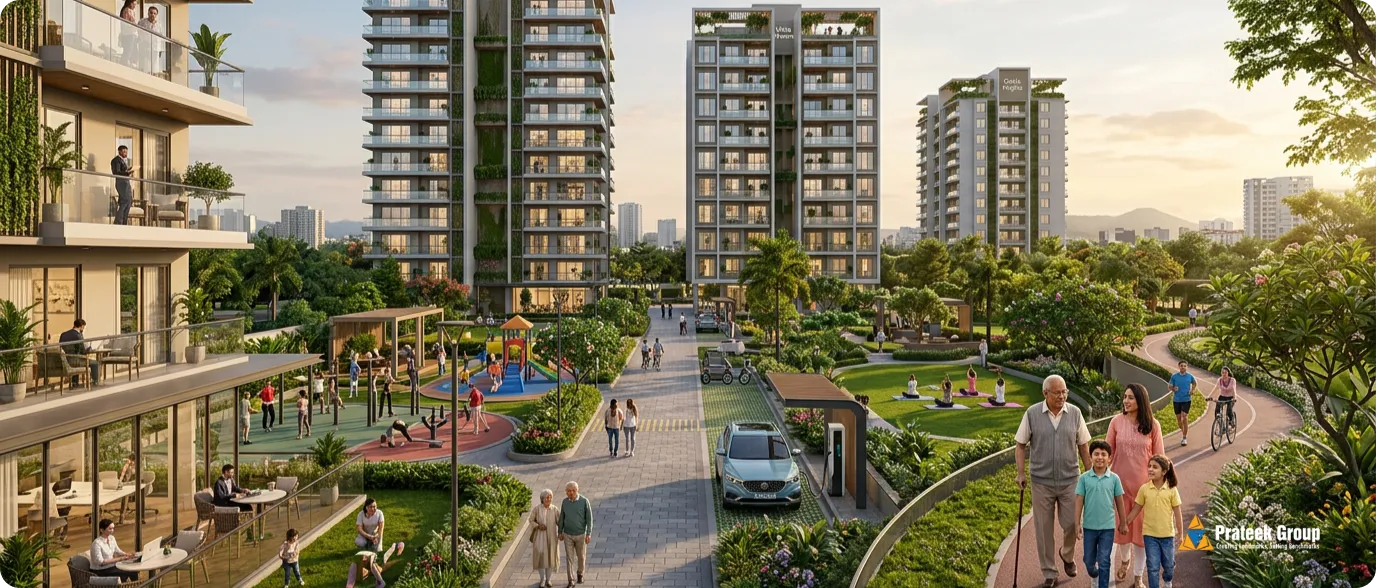
Homeownership in 2026 is being shaped by the way people work, rest, exercise and spend time with family inside a residential community. Price, location and apartment size still guide the first round of property searches. Buyers are now looking deeper into how well a home supports their routine across an ordinary week.
A spare room may need to handle office calls in the morning and children’s study time later. A balcony may matter for ventilation, outdoor seating or gardening. Shared facilities are being judged by walking distance, upkeep and how often residents can actually use them.
However, this shift is changing homebuyer preferences in 2026.
A large clubhouse may look impressive during a site visit. Its real value depends on whether the gym, sports courts, reading areas and community rooms remain accessible after the project is occupied.
The same practical test applies inside the apartment. Storage, natural light, ventilation, plug points, internet access and flexible layouts can affect daily comfort more than a long amenity list.
The 2026 homeownership trend overview connects current demand with flexible layouts, smart home features, wellness spaces, green design and EV charging. These ideas work when the project design, maintenance plan and resident needs support them.
Homeownership trends 2026 will therefore be shaped by usable comfort. Buyers are likely to judge modern amenities for homebuyers through frequency of use, running costs and the time each facility saves.
What buyers now expect from a residential project?
Housing trends in India 2026 show that buyers are comparing the apartment and the shared environment as one complete living setup.
Buyer priority | Amenity or design response | What buyers should inspect |
Health and exercise | Gym, swimming pool, jogging track and yoga areas | Operating hours, equipment condition and crowding |
Flexible daily use | Reading areas, multipurpose rooms and work corners | Internet access, noise and booking rules |
Outdoor time | Lawns, walking trails and children’s play areas | Shade, safety and year-round usability |
Community activity | Clubhouse, event lawn and indoor games | Maintenance cost and resident access |
Future mobility | EV charging in apartments and planned parking | Charger availability and power capacity |
Family comfort | Children’s zones and senior seating areas | Distance from towers and safe access |
The Prateek Canary amenity plan includes swimming pools, sports areas, an outdoor reading space, senior-citizen seating, a yoga and meditation lawn, and a wellness garden. Buyers can use such project details as a starting point, then inspect how each space fits their weekly routine.
Lifestyle amenities in residential projects should solve clear needs. A walking track supports regular movement. A shaded sit-out gives older residents a usable outdoor space. A play area close to occupied towers can make supervision easier.
This practical test separates modern apartment amenities that support daily life from facilities that may receive little use after possession.
Smart home features are moving into daily use
Smart home features are becoming part of regular home management.
Entry and security
Video door phones, app-based access, smart locks and visitor alerts can help residents manage entry. Buyers should check how these systems work during power or internet outages.
Energy control
Smart lighting, appliance controls and energy monitoring can help households track usage. Their usefulness depends on installation quality, repair support and compatibility with common devices.
Remote management
Residents may use mobile apps to check security alerts, control selected appliances or receive maintenance updates while away from home.
Modern amenities for homebuyers should remain easy to operate. A system that needs frequent repairs or separate apps for every function can become another maintenance problem.
Wellness amenities need a weekly-use test
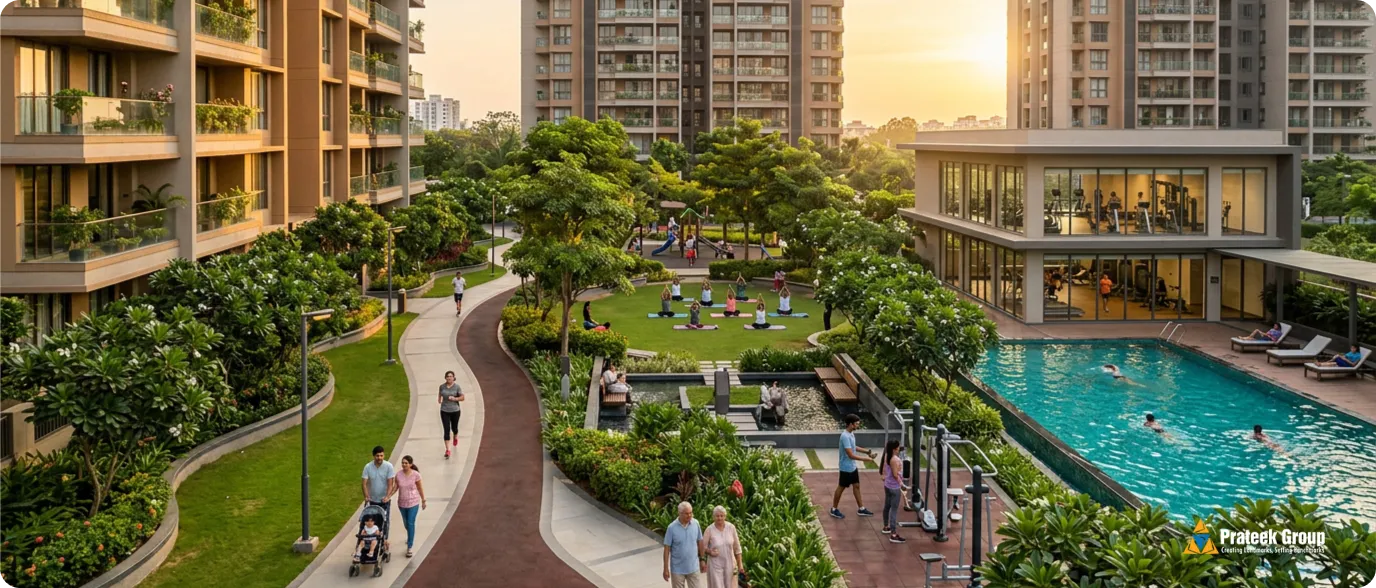
Wellness amenities in apartments now extend beyond a basic gym. Buyers may see yoga lawns, walking tracks, meditation areas, swimming pools and indoor fitness rooms across new projects.
Use this 5-point test during a site visit:
- Can residents reach the amenity safely from the tower?
- Is the space large enough for the expected number of residents?
- Are shaded or indoor options available during extreme weather?
- Does the maintenance plan cover equipment and cleaning?
- Will the household use the facility at least once each week?
- 4 to 5 points: The amenity may support regular use.
- 2 to 3 points: Check operating rules, access and maintenance costs.
- 0 to 1 point: The facility may add more to the brochure than to daily life.
Residential lifestyle trends 2026 are pushing buyers to judge wellness through convenience. A smaller, well-kept fitness space near the tower may be more useful than a large facility that stays crowded or is difficult to reach.
Flexible rooms are replacing fixed-use spaces
Work-from-home spaces are becoming part of regular apartment planning. Buyers now look for rooms that can change with work schedules, children’s study needs and visiting relatives.
Time or life stage | Possible use |
Weekday morning | Home office for calls and focused work |
Afternoon | Study room for children |
Evening | Reading, hobbies or exercise |
Family visit | Temporary guest room |
Later years | Caregiver room or quiet senior space |
The room still needs ventilation, plug points, storage and some distance from noisy living areas.
Homebuyer preferences in 2026 are moving towards layouts that can handle changing routines without major interior work.
Green living should pass a daily-use test
Sustainable residential communities are drawing attention as buyers consider heat, water use, electricity costs and access to outdoor spaces.
Check each feature through one practical question:
- Green spaces in housing: Are the lawns and walking paths shaded enough for regular use?
- Rainwater systems: Does the project explain how collected water is stored and reused?
- Waste handling: Are separate collection points planned near occupied towers?
- Natural light: Do the main rooms receive usable daylight without excessive afternoon heat?
- EV charging in apartments: Is there enough electrical capacity and assigned charging access?
- Water treatment: Can residents understand where recycled water is used?
Residential lifestyle trends 2026 will give more weight to facilities that reduce running costs and improve comfort. Buyers should also ask how these systems will be maintained after possession.
Homes are being planned for different life stages
Homeownership trends 2026 are giving more weight to spaces that work for children, working adults and older residents within the same community.
Young children:
Safe play areas, open lawns and short walking routes from the tower can make daily supervision easier.
Teenagers and working adults:
Sports courts, reading rooms, work zones and reliable internet support study, exercise and remote work.
Older residents:
Shaded seating, smooth walking paths, ramps, nearby lifts and quiet outdoor areas can support regular movement.
The Prestige residential project approach connects residential planning with landscaped gardens and access to schools, workplaces, metro stations and daily facilities. Buyers should test these features from the exact tower rather than through the project entrance alone.
Modern apartment amenities carry more value when different age groups can reach and use them safely.
A one-day test for community convenience
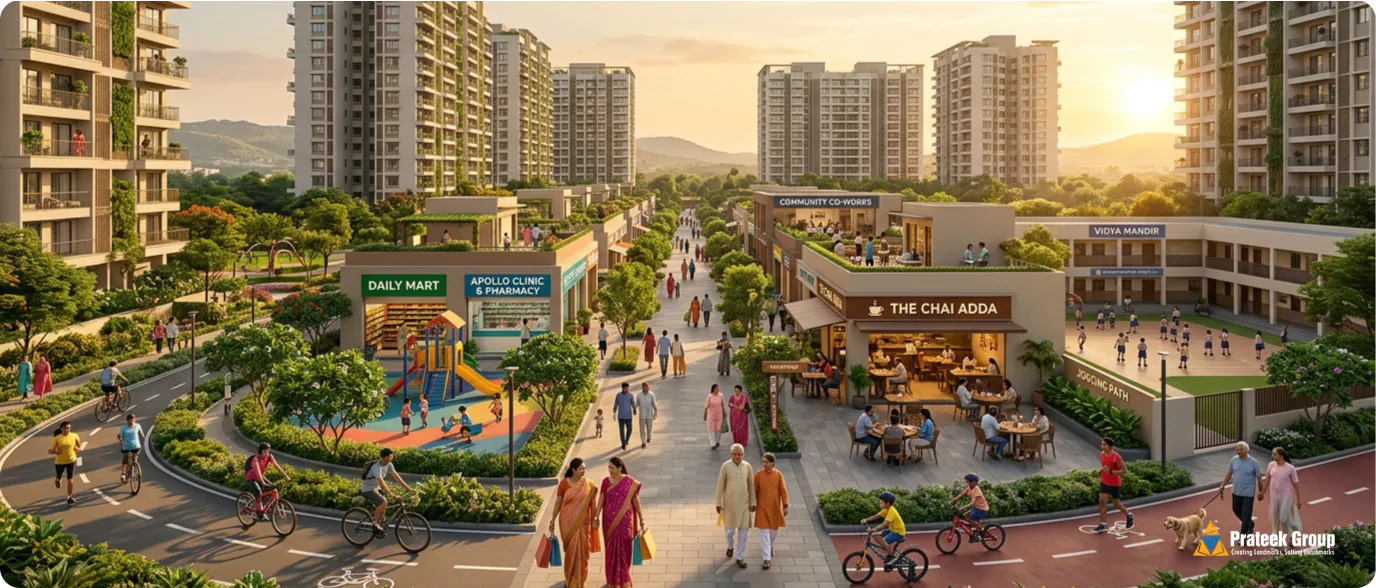
Residential lifestyle trends 2026 are also pushing buyers towards communities where common errands require less travel.
- 7:00 AM: Check whether walking tracks, fitness areas and outdoor spaces are open and easy to reach.
- 10:00 AM: Test access to workspaces, schools, pharmacies and nearby healthcare.
- 4:00 PM: Look at children’s play areas, shaded seating and movement around internal roads.
- 8:00 PM: Check security, lighting, visitor access and the distance to grocery or dining options.
The Lodha Palava community model combines open spaces, recreational facilities, healthcare, schools and access to daily essentials within a planned residential setting. The useful lesson for buyers is to measure how much of that convenience works after occupancy.
Modern amenities for homebuyers should save time across an ordinary week. A facility used twice a year carries less practical value than a safe walking route, nearby shop or dependable work area.
How will Prateek Group amenities matter most in 2026?
Homeownership trends 2026 point towards homes that support work, rest, fitness, family time and changing life stages within the same residential setting.
The amenity list alone cannot decide whether a project fits. Buyers need to check how often each facility will be used, how far it sits from the tower and what residents will pay to maintain it.
Use this final checklist before choosing a home:
- Does the apartment have enough storage, ventilation and flexible space?
- Can children and older residents reach shared areas safely?
- Are fitness and wellness spaces usable throughout the year?
- Do smart home features have clear repair and support options?
- Is EV charging capacity planned for future demand?
- Are shops, healthcare and daily services easy to reach?
- Does the maintenance cost match the facilities residents will use?
Large communities can bring several daily needs into one residential setting. The Prateek Grand City amenity plan includes parks, a gym, tracks, sports facilities, a school, a hospital and convenience retail within the township. Buyers should still inspect the walking distance and operating status of each facility.
Sustainable systems will also carry more weight in housing trends in India 2026. The Prateek Grand Begonia project amenities include green areas, sports spaces, a jogging track and fast EV charging provisions within the project plan. These details should be checked against current site conditions and maintenance arrangements.
The future of homeownership 2026 will be shaped by practical comfort. The strongest modern amenities for homebuyers will be the ones that fit naturally into an ordinary week.
FAQs
1. What are the main homeownership trends in 2026?
Homeownership trends 2026 include flexible layouts, smart home functions, wellness areas, green spaces, EV charging and community facilities that support daily routines.
2. How are homebuyer preferences changing in 2026?
Homebuyer preferences in 2026 give more weight to usable space, security, health, remote work, outdoor access and nearby daily services.
3. Which modern amenities do homebuyers prefer?
Modern amenities for homebuyers include fitness spaces, walking tracks, children’s play areas, work zones, community rooms, smart security and EV charging.
4. Are smart home features worth considering?
Smart home features can help with security, energy tracking and remote controls. Buyers should check repair support, internet dependence and device compatibility.
5. Why are work-from-home spaces becoming important?
Work-from-home spaces provide privacy for calls, focused tasks and study. Flexible rooms can also serve as guest rooms or hobby areas when work needs change.
6. What are wellness amenities in apartments?
Wellness amenities in apartments may include gyms, swimming pools, yoga lawns, walking paths, meditation areas and shaded outdoor seating.
7. How should buyers compare modern apartment amenities?
Buyers should compare access, size, operating hours, maintenance costs and expected usage. A smaller facility used regularly may suit the household better.
8. Why are green spaces in housing important?
Green spaces in housing provide areas for walking, exercise, play and outdoor rest. Buyers should check shade, upkeep and safe access from the tower.
9. What makes a residential community sustainable?
Sustainable residential communities may use rainwater harvesting, waste separation, energy-saving systems, recycled water and planned green areas.
10. Is EV charging in apartments becoming necessary?
EV charging in apartments is becoming more relevant as electric vehicle ownership grows. Buyers should check electrical capacity, parking access and charging rules.
11. What facilities are useful for older residents?
Smooth pathways, ramps, nearby lifts, shaded seating, good lighting and easy access to healthcare can support older residents.
12. Which amenities are useful for children?
Safe play areas, lawns, sports spaces, study rooms and traffic-controlled internal roads can make daily routines easier for children and parents.
13. Do more amenities increase maintenance charges?
A larger amenity list can raise staffing, repair, electricity and cleaning costs. Buyers should review the maintenance estimate before booking.
14. How can buyers inspect lifestyle amenities?
Visit the project at different times, walk from the tower to each facility and ask about access rules, crowding, maintenance and completion status.
15. Will lifestyle amenities affect resale demand?
Useful and well-maintained amenities may support buyer interest. The result also depends on location, apartment layout, project upkeep and the resale price.