
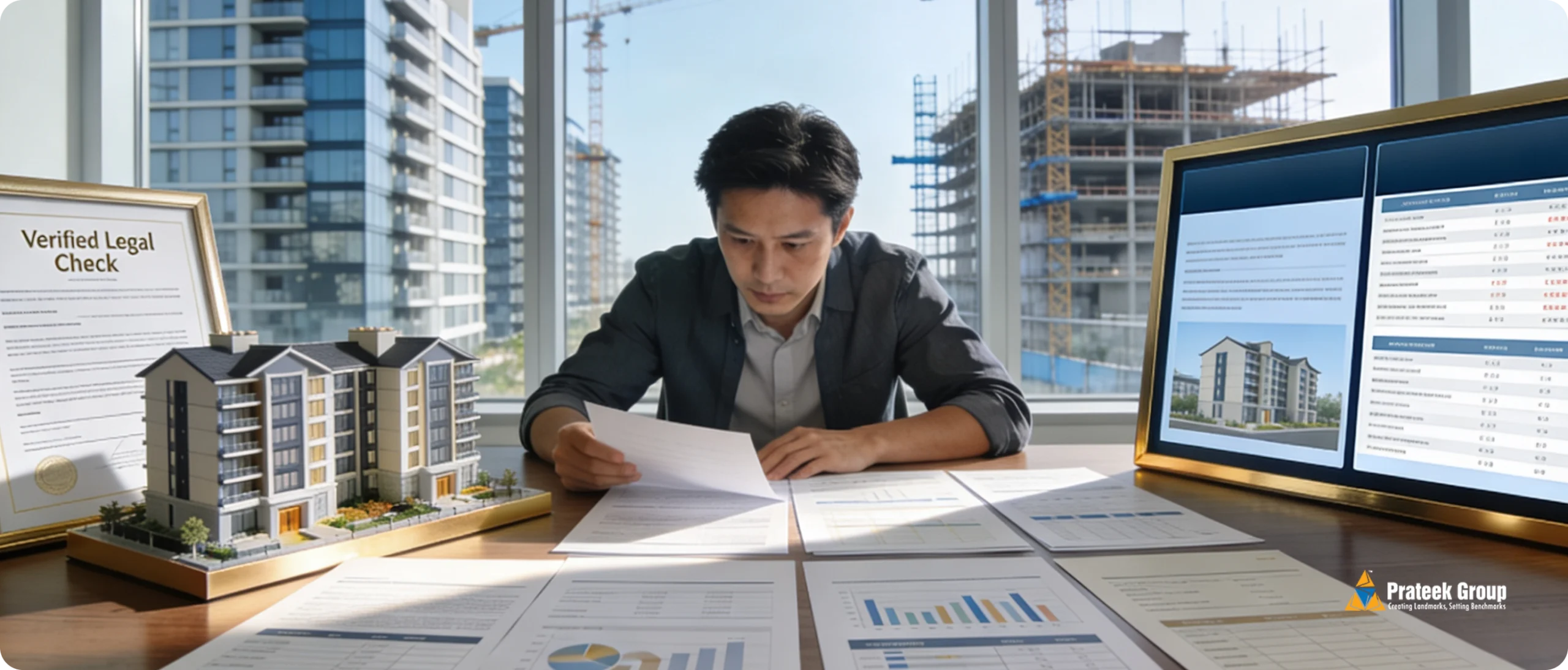
Finalizing a builder can shape your entire homebuying experience, from construction quality to possession timelines and long-term peace of mind. A home is often built with years of planning, careful savings, and family expectations, so the decision should never be rushed. Many buyers commit too early without checking the developer’s track record, approvals, work quality, or delivery history. Knowing the common mistakes before choosing a home builder can help you avoid delays, hidden risks, and costly regret later.
Why Mistakes Before Finalizing the Builder Requires Caution?
Choosing a builder involves more than comparing prices or liking a sample layout. Buyers should review delivery history, legal approvals, construction quality, communication standards, and how earlier projects have performed after handover. Builders like Prateek Group, with projects such as Prateek Canary and Prateek Grand Begonia, show why checking an actual project record matters before making a decision.
Understanding the common mistakes before finalizing a home builder helps buyers make a calmer and better-informed decision. It also gives them a clearer way to compare promises with actual performance, so the final choice supports long-term comfort, financial safety, and the kind of home they planned from the beginning.
Common Mistakes to Avoid When Choosing a Builder
1. Choosing Without Checking Past Delivery History
Many buyers trust brochures or ads without checking how the builder has actually performed on earlier projects.
Do this instead:
- Visit completed and ongoing sites to check finishing quality, site discipline, common areas, and whether the project matches earlier promises.
- Speak with past buyers about delivery timing, handover support, defect handling, and how responsive the builder was after payments.
- Read reviews across platforms and watch for repeated complaints about delays, hidden charges, weak quality, or poor coordination.
- Check whether the builder has delivered projects consistently, because one good project alone does not prove long-term reliability.
2. Ignoring Approvals and Legal Clarity
A project may look attractive, but missing paperwork can create serious problems after booking or possession.
Always verify:
- Check land title papers carefully to confirm ownership, transfer history, and whether the property is free from visible disputes.
- Ask for RERA registration details and match the project name, timeline, builder information, and approval status on official records.
- Review sanctioned building plans to confirm floors, layout, setbacks, parking, and construction scope are legally approved.
- Verify NOCs and local authority clearances, because missing permissions can create delays, penalties, or future legal trouble.
3. Selecting Only on Lowest Price
A very low quote can hide compromises in material quality, timelines, supervision, or later additional charges.
Review properly:
- Ask for a full cost breakup showing base price, taxes, deposits, parking, club charges, maintenance, and other payable amounts.
- Compare material specifications properly, because low pricing may come from weaker brands, lower grades, or reduced finishing quality.
- Check exclusions in writing so you know what is not included, such as fittings, cabinets, electrical points, or flooring upgrades.
- Compare price with delivery record and project quality, not only the final quote, because cheap can become expensive later.
4. Not Defining Scope of Work Clearly
Many buyers assume certain fittings or finishes are included, then face extra charges during execution or handover.
Protect yourself by:
- Get every inclusion in writing, from flooring and sanitaryware to doors, windows, electrical points, paint, and kitchen provisions.
- Request a detailed BOQ so the material quantity, brand range, finishing level, and execution responsibility are clearly recorded.
- Review the agreement line by line and question vague terms before signing, especially around upgrades, changes, and exclusions.
- Confirm optional items separately so later additions such as cabinets, false ceiling, grills, or extra fittings do not create confusion.
5. Overlooking Material Standards
The strength, finish, and maintenance life of a home depend heavily on the materials used during construction.
Ask clearly about:
- Confirm cement and steel grades, because these directly affect structural strength, durability, and long-term safety of the home.
- Ask which tiles, fittings, pipes, wires, and paint brands will be used, and make sure the same details appear in writing.
- Check waterproofing details for bathrooms, balconies, terrace areas, and basements, since seepage can become costly later.
- Ask whether material changes need buyer approval, so lower-quality substitutes are not used quietly during construction.
6. Accepting Vague Timelines
Without clear dates and milestones, the project can keep extending and create rental, planning, or financial pressure.
Insist on:
- Get a practical start date and completion date in writing, along with clear possession terms and expected handover conditions.
- Ask for stage-wise milestones covering foundation, structure, plastering, flooring, fittings, finishing, inspection, and handover.
- Confirm how progress updates will be shared, so you are not left guessing about work status, delays, or next-stage planning.
- Check delay clauses in the agreement, including compensation terms, grace periods, and what happens if timelines stretch.
7. Not Reviewing Payment Terms Properly
Unclear payment terms can create disputes, especially if large sums are paid before visible construction progress.
Better approach:
- Prefer milestone-linked payments so each installment is connected to actual work progress instead of arbitrary payment demands.
- Avoid paying a large advance before work begins, unless the amount, purpose, refund terms, and adjustment process are clear.
- Check taxes, deposits, maintenance charges, and final dues in advance so there are no last-minute surprises before possession.
- Keep every payment receipt, bank record, and written confirmation safely, because verbal payment discussions are hard to prove.
8. Ignoring Post-Handover Support
Some problems appear only after moving in, so the builder’s responsibility should not end at possession.
Check for:
- Ask for written warranty terms covering structure, plumbing, electrical work, seepage, fittings, and common defect categories.
- Confirm the complaint process, including who to contact, how quickly issues are inspected, and when repairs are completed.
- Check whether maintenance support or AMC options are available, especially for lifts, pumps, security systems, and common areas.
- Speak to earlier buyers to understand whether the builder actually responds after handover or avoids responsibility later.
9. Finalizing Builders Without Site Supervision
Even strong plans can fail when daily site checks, engineering control, and quality monitoring are weak.
Ask before signing:
- Ask who supervises the site daily and whether qualified engineers or project managers are physically present during key work stages.
- Confirm how often quality checks happen for structure, plumbing, electrical work, waterproofing, plastering, and finishing.
- Request photo or video updates at fixed stages so you can track progress, material use, and workmanship even from a distance.
- Check whether the builder follows safety rules on-site, because poor site management often reflects weak overall discipline.
10. Ignoring Communication Standards
A builder who avoids clear answers before booking may create bigger coordination problems after the work begins.
Look for:
- Check whether the builder gives timely updates through calls, emails, WhatsApp, or an app, instead of responding only after repeated follow-ups.
- Ask for one dedicated contact person so coordination, approvals, site visits, payment queries, and issue resolution stay organized.
- Notice how clearly questions are answered before signing, because evasive replies often become bigger problems during construction.
- Prefer builders who explain delays honestly and share revised plans, rather than giving vague assurances without clear next steps.
Tips for a Smoother and More Enjoyable Home-Building Experience
Building a home can feel exciting, demanding, and deeply personal at the same time. The process becomes easier when buyers prepare well, choose carefully, and stay involved from start to finish. While no construction journey is completely free from pressure, the right planning can reduce confusion, control costs, and make the experience far more rewarding.
Key Tips at a Glance
- Learn how the home-building journey works
- Fix a practical budget and track spending regularly
- Select a location that suits present and future needs
- Choose the right build model for your priorities
- Work with an experienced and dependable team
- Design with future lifestyle changes in mind
- Keep room for delays and timeline shifts
- Stay engaged throughout the construction phase
- Prioritize lasting quality over extra features
1. Learn How the Home-Building Journey Works
Before construction begins, understand the major stages involved such as planning, design approval, permits, structural work, finishing, inspections, and handover. Knowing the sequence helps buyers set realistic expectations and avoid unnecessary stress when progress slows or adjustments become necessary during the build.
2. Fix a Practical Budget and Track Spending Regularly
A home budget should include more than construction cost alone. Buyers should also account for land cost, approvals, taxes, utilities, interiors, and landscaping. Once work starts, regular expense reviews help prevent overspending. Keeping a contingency reserve also protects against design changes or price increases later.
3. Select a Location That Suits Present and Future Needs
Location should match both current convenience and future value. Buyers should review access to work areas, schools, hospitals, daily markets, and road links. It is also wise to study upcoming infrastructure and neighborhood growth, since these factors often influence comfort and resale potential over time.
4. Choose the Right Build Model for Your Priorities
Every buyer should decide early between fully custom, semi-custom, or ready design formats. Custom homes offer full flexibility but may need more time and money. Semi-custom models provide balance, while standard layouts often move faster. The right choice depends on budget, urgency, and lifestyle needs.
5. Work With an Experienced and Dependable Team
The builder and execution team can shape the entire experience. Buyers should check previous work, delivery record, site quality, and client feedback before committing. Good communication is equally important. A professional team that explains clearly and responds on time usually creates a smoother building journey.
6. Design With Future Lifestyle Changes in Mind
A home should serve not only present needs but also future changes. Buyers may need extra rooms later, a work-from-home area, elder-friendly design, or flexible spaces for children. Thinking ahead during planning can reduce future renovation costs and improve long-term comfort for the family.
7. Keep Room for Delays and Timeline Shifts
Construction rarely moves exactly as planned. Weather, approvals, labour availability, and supply delays can affect schedules. Buyers should keep realistic expectations and avoid planning major life events around a projected handover date. A time buffer usually prevents frustration if the timeline changes.
8. Stay Engaged Throughout the Construction Phase
Buyers do not need to step back completely after signing. Periodic site visits, progress reviews, and regular discussions help ensure the final result matches the approved plan. Asking questions early and checking progress consistently can prevent misunderstandings and costly corrections later in the process.
9. Prioritize Lasting Quality Over Extra Features
Large size or flashy additions may look attractive, but long-term value usually comes from durable materials, strong workmanship, and efficient systems. Buyers should focus on structure, waterproofing, fittings, and execution quality first. Good quality often means lower maintenance and better resale value later.
Conclusion: Choose a Builder With Confidence, Not Guesswork
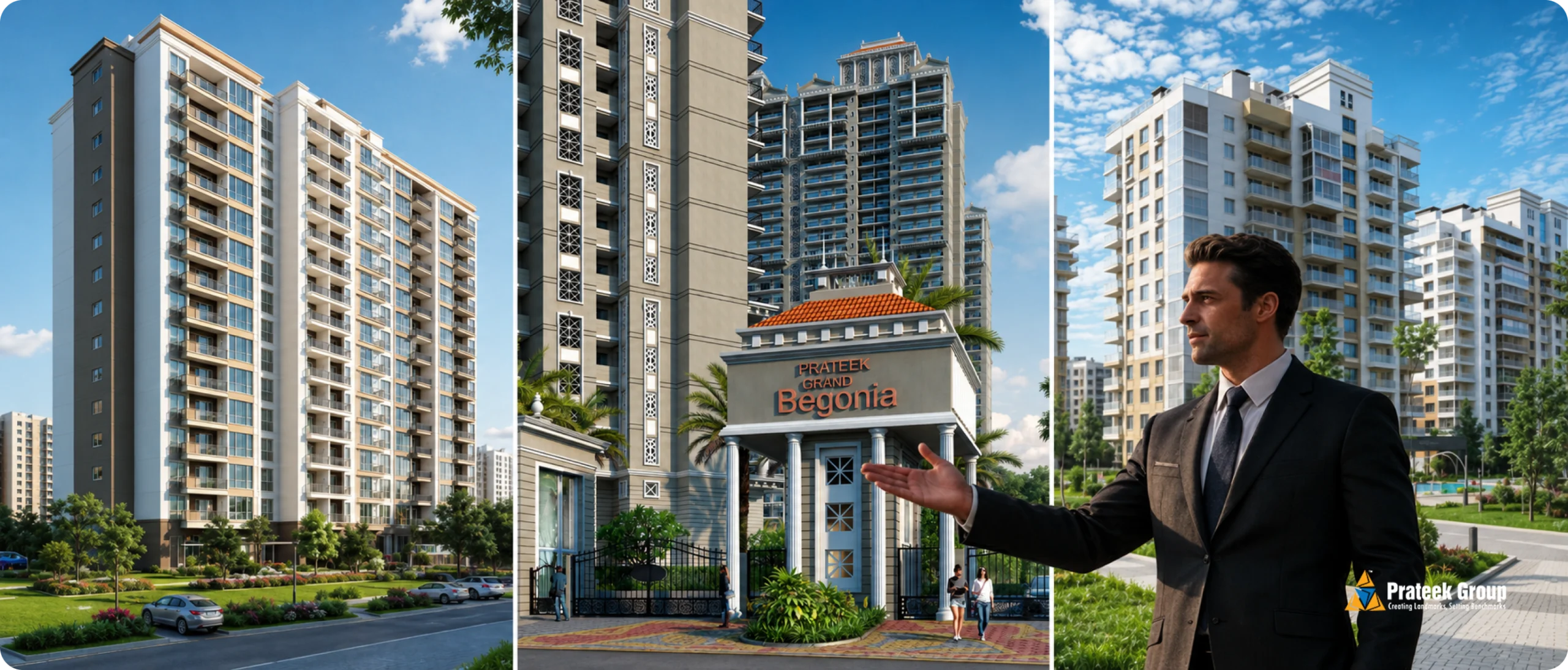
Finalizing a home builder should never be rushed, because the decision affects your money, timeline, comfort, and long-term peace of mind. By avoiding these common mistakes and choosing an experienced developer like Prateek Group, buyers can move forward with better clarity and stronger confidence.
Prateek Group’s residential projects reflect the value of planned development, reliable execution, and buyer-focused living. With the right checks in place, your homebuying journey becomes more transparent, practical, and aligned with the home you had imagined from the beginning.