
Buying or selling land in Uttar Pradesh now follows a newly revised rule framework. The Yogi Adityanath government has brought major changes to the land registry process, effective from February 1, 2026. Under the new system, every buyer, seller, and witness must complete tighter identity and document checks. Knowing these rules is important before visiting any Sub-Registrar Office in 2026 for smoother property paperwork.
The Property Registration Bill is a major reform meant to make property ownership clearer, safer, and legally stronger through a digital-first process. It shifts old manual work to online registration, e-KYC, and central records to reduce fraud and make paperwork easier. The bill also brings uniform stamp duty rules, penalties for non-registration, and better access for NRIs and remote buyers. Even with issues like infrastructure limits and cybersecurity risks, it moves registration toward modern systems across UP and land deals ahead.
What is the Property Registration Bill?
The Registration Bill 2026 is a major reform by the Government of India to make property transactions clear, safer, and faster. It moves the process from old manual records to a digital registration system that helps reduce fraud, speed up land verification, simplify paperwork, and improve accountability. The bill gives property deals stronger legal recognition, better tracking, and clearer compliance with government rules, property tax norms, and legal safeguards. It updates the Registration Act, 1908 with tools like e-KYC, online payments, and digital records.
Why Uttar Pradesh Updated its Property Registry Rules?
For years, fake property registrations and land fraud created serious trouble for buyers. Many genuine owners faced court cases, financial loss, and long disputes. Benami deals also caused revenue leakage for the state, which pushed the government to bring stricter reforms.
Under the new rules, digital checks now sit at the centre of every property deal. The updated system reduces old loopholes, improves document tracking, and makes land registry in UP faster, cleaner, and more secure for buyers, sellers, and officials.
How To Register Property Under the Updated Rules?
Here are the main steps to register a property under the new bill, covering both the online process and the required office visit clearly:
1. Online registration process
Step 1: Open the official property registration portal and create an account or log in.
Step 2: Add property details, buyer-seller information, and upload all required documents.
Step 3: Complete stamp duty and registration fee payment through the online system.
Step 4: Schedule a biometric verification appointment, wherever required.
Step 5: Download the system-generated registration receipt and digital certificate.
2. Sub-registrar office visit process
Step 1: Visit the local sub-registrar office on the booked appointment date.
Step 2: Present the original documents for checking by the registration officer.
Step 3: Complete biometric verification and buyer-seller signatures.
Step 4: Clear any pending charges at the counter, if needed.
Step 5: Collect the registered property papers or receive the approved digital copy.
Documents Required for Property Registration in UP
Carry every required document before visiting the registration office. Missing papers can delay or stop the process.
- Aadhaar card for buyers, sellers, and witnesses
- PAN card as a compulsory identity document
- Previous land records with Khasra and Khatauni details
- Plot number with total land measurement
- Sale deed or property transfer paper
- NOC from the relevant authority, if required
Complete and correct documents help make the registration process faster and smoother.
Major Changes in UP Land Registry Rules 2026

Here is a clear breakdown of the main updates:
Aadhaar biometric verification is mandatory:
From February 1, 2026, every buyer, seller, and witness must complete Aadhaar-linked biometric checks. This includes fingerprint and iris verification. Without this, registration cannot move ahead.
PAN card is compulsory:
The Registry Department now requires PAN details for property registration. Earlier, Form 60 could be submitted instead. That option has been removed, so both buyer and seller must provide a valid PAN card.
Khatauni name matching is stricter:
The seller’s name must match the Khatauni record exactly. If there is a mismatch, the registration process stops. This rule helps reduce identity misuse and fake ownership claims.
Cash payment limit applies:
Payments above ₹20,000 must be made through digital modes. Large cash transactions are no longer accepted during property registration.
Appointment slot is limited to 1 hour:
From April 1, 2026, each registration appointment will have a fixed 1-hour window. Missing the slot means the buyer or seller must book a fresh appointment.
Circle rates have increased:
Premium properties, including corner plots and plots near parks, may now attract 10% to 25% higher circle rates. This can increase stamp duty in cities such as Noida and Lucknow.
Rent agreement stamp duty reduced:
Stamp duty on rent agreements has been cut by up to 90%. This step can encourage more people to register rental agreements legally.
Ancestral property partition has a fixed fee:
Ancestral property partition deeds now carry a flat ₹10,000 fee instead of variable charges. This gives families clearer and more predictable costs.
Main Provisions of the Property Registration Bill 2026
The new bill supports online property registration to make the process clearer, quicker, and more dependable. Buyers can complete legal steps through approved digital systems, verified records, and professional documentation support.
1. Compulsory registration
This rule makes sure every property deal is legally recorded and checked through approved digital platforms. It helps confirm ownership, reduce fake transfers, and prevent future property disputes.
- All property transactions above the notified value must be registered online through authorised portals to confirm ownership and stop unverified sales or duplicate registrations.
- Digital registration reduces paperwork, limits manual mistakes, and keeps property details secure through government-backed online systems.
2. Digital property records
This provision moves property-related data into centralised digital records for safer storage, faster checking, and easier access for buyers, sellers, and legal authorities.
- A single online database will store verified property records, ownership details, and transaction history to reduce tampering, duplication, and document misuse.
3. Penalties for non-registration
This section brings stricter action against unregistered transactions so buyers and sellers stay protected from invalid transfers, fake deals, and ownership disputes.
- Unregistered properties may face uniform penalties across states to support compliance under the new Property Registration Bill 2026.
- Repeated violations or evasion may lead to higher fines, suspension of property rights, or cancellation of unverified ownership claims by authorities.
4. Uniform stamp duty calculation
The bill aims to bring standard stamp duty calculation across states, making property payments easier to understand and reducing confusion in registration costs.
- Standard stamp duty rules can support fair taxation, improve buyer confidence, and reduce uncertainty caused by different charges across regions.
- Online stamp duty calculators can help buyers check accurate charges, make digital payments, and avoid last-minute cost confusion.
How the Property Registration Bill Affects Buyers and Sellers?
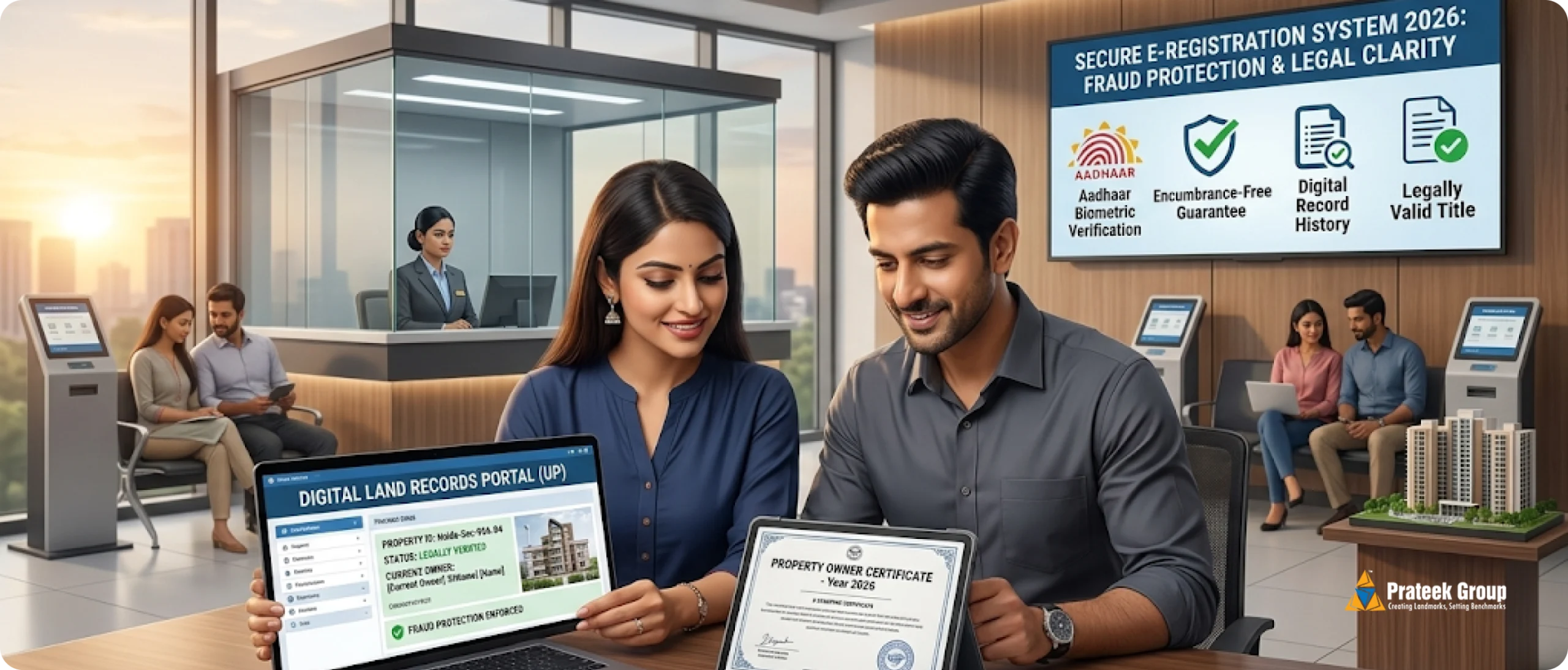
The Property Registration Bill brings a clearer and better controlled system for property deals. It helps buyers and sellers through safer verification, faster paperwork, and stronger legal clarity.
1. For Buyers
- Buyers get a quicker and more transparent property registration process.
- Buyers face lower fraud risk because identity and document checks improve.
- Buyers receive better legal safety through accurate ownership records.
2. For Sellers
- Sellers can complete deals faster with simpler, standardised paperwork.
- Sellers gain stronger buyer trust through legally verified property records.
- Sellers face fewer disputes as registration becomes more organised and clear.
Challenges in Implementing the Property Registration Bill
The Registration Act 2026 is meant to simplify real estate paperwork through digital systems, but rollout issues may remain. Infrastructure gaps, legal differences, and data safety concerns can affect adoption across many states.
- Rural and semi-urban areas still face weak internet access, making online registration and property paperwork harder under the new digital system.
- Low awareness and limited digital skills among buyers, sellers, and sub-registrar staff may slow adoption of the Registration Act 2026 and reduce its reach.
- State-wise property laws and taxes can create confusion when national stamp duty and registration processes are introduced through the new bill.
- Registration offices need better servers, databases, and hardware, which may create short-term cost pressure for local governments.
- Centralised digital systems can face cyber risks, including data leaks, unauthorised access, ownership exposure, and reduced public trust.
Stay Ready For the New UP Registry Rules!
To benefit from these changes, preparation matters. Keep all documents ready, book your slot early, and check property details online through the IGRSUP and Bhulekh portals. These reforms are a strong move toward a cleaner, safer, and more reliable property registration system in Uttar Pradesh.