
Buying a home in 2026 needs more than comparing price, size, and location. From legal documents and builder trust to project planning, daily comfort, and future value, every detail matters before you make a final decision. This homebuyer checklist helps you review the key factors clearly, so you can choose a property with more confidence and fewer surprises.
Legal Verification and Property Approvals
Before comparing floor plans or amenities, buyers should first confirm whether the property is legally clear and properly approved. A good homebuyer checklist 2026 should begin with documents because even a well-located flat can become risky if approvals, ownership records, or possession papers are unclear.
Legal Documents to Check First
- RERA Registration: Confirm that the project is registered under RERA and check the project details on the official portal.
- Land Title and Ownership: Review whether the builder has clear ownership or valid development rights for the land.
- Approved Building Plan: Match the sanctioned layout with the project layout shown during booking.
- Commencement Certificate: Check whether construction approval has been granted by the local authority.
- Occupancy Certificate: For ready-to-move homes, verify that the building is approved for occupation.
- Completion Certificate: Confirm that construction has been completed as per approved plans.
- Builder-Buyer Agreement: Read clauses related to possession date, payment schedule, delay compensation, cancellation, and extra charges.
- Registry and Possession Papers: For completed flats, review possession letter, sale deed, registry status, and maintenance handover documents.
Legal checking may feel technical, but it protects buyers from future disputes, delayed possession, unexpected charges, and documentation gaps. In Noida and Ghaziabad, where several residential projects are available across different price segments, this step helps families compare homes with more confidence.
Location Reality Check: Does It Work for Daily Life?
A good location is not only about a popular address. Before buying a home, buyers should check how smoothly the area supports their daily routine. Office travel, school distance, hospital access, grocery options, road width, traffic flow, and public transport availability can affect everyday comfort more than the project brochure shows.
Instead of judging the location only by future promises, buyers should visit the area at different times of the day. Morning office hours, evening traffic, weekend movement, and nighttime surroundings can reveal how practical the location really is.
Key Questions Buyers Should Ask
How long will the daily commute take during peak hours?
A project may look well-connected on paper, but real travel time during office hours gives a clearer picture.
Are schools, hospitals, and daily markets easily reachable?
Families should check whether essential services are close enough for regular use, not just available somewhere nearby.
Is the area connected to main roads, metro routes, or expressways?
Better connectivity improves daily movement and can also support long-term property value.
What is the condition of the surrounding neighbourhood?
Road quality, street lighting, safety, cleanliness, and nearby development all matter for comfortable living.
Is future infrastructure already progressing or only being promised?
Buyers should separate confirmed infrastructure work from vague development claims before making a decision.
Builder Trust: How Reliable Is the Developer?
A project should not be judged only by glossy brochures, model flats, or early booking offers. A builder’s previous work often reveals more about delivery discipline, construction standards, transparency, and post-possession support. Before making a decision in 2026, buyers should study the developer’s track record as carefully as they review the flat layout or location.
Builder Reliability Checklist
| Trust Area | What Buyers Should Look For |
|---|---|
| Past Delivery | Has the developer completed earlier projects within practical timelines? |
| RERA Details | Are approvals, possession dates, and project updates clearly listed? |
| Build Quality | Do completed projects show strong finishing, usable layouts, and proper upkeep? |
| Buyer Reviews | What do residents say about handover, maintenance, and communication? |
| Cost Clarity | Are payment plans, extra charges, and maintenance terms explained upfront? |
| Existing Communities | Can buyers visit completed societies and see the living experience themselves? |
In markets like Noida and Ghaziabad, buyers can compare builders through completed projects, resident feedback, and actual society conditions. Names such as Prateek Group can fit naturally into this review when buyers want to assess established residential communities rather than depend only on future claims.
Flat Layout: Will the Home Feel Comfortable Every Day?
1. Living Room Flow
Check whether the living room supports seating, TV placement, guest movement, and natural light without feeling tight after furniture is added. A spacious-looking plan can feel smaller if circulation space is poorly managed.
2. Bedroom Privacy
Bedrooms should offer enough privacy, wardrobe space, window placement, and comfortable movement around the bed. A practical bedroom layout supports daily use without making furniture placement difficult.
3. Kitchen Usability
A good kitchen should allow smooth cooking movement, proper storage, ventilation, and easy access to the utility area. Buyers should check whether the layout supports regular family use, not just visual appeal.
4. Balcony Practicality
Balconies should have usable width, privacy, sunlight, and a clear view. A balcony adds real value only when it can support daily relaxation, plants, seating, or basic household use comfortably.
5. Storage and Future Needs
Storage planning matters for long-term comfort. Buyers should check space for wardrobes, cabinets, appliances, seasonal items, and future family needs so the home does not feel cluttered after moving in.
Project Planning: Is the Society Designed for Real Living?
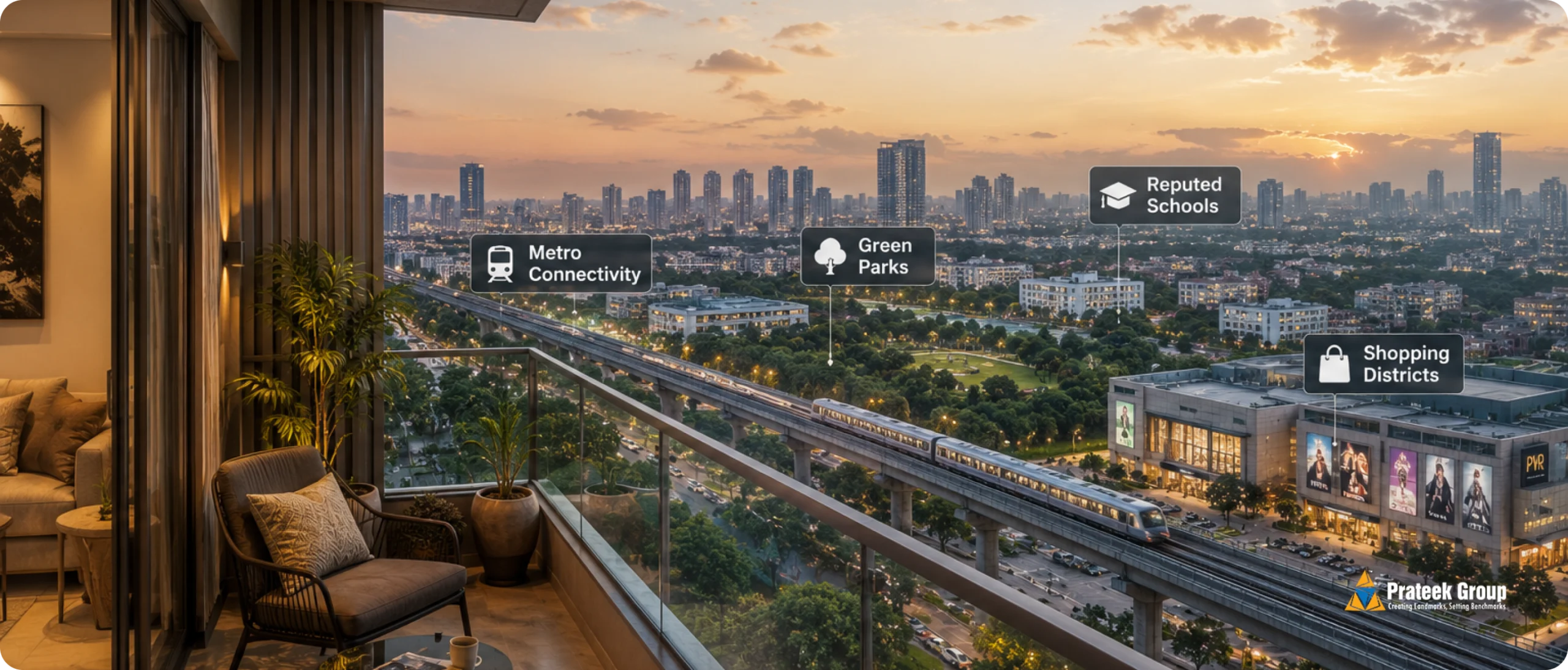
A well-planned society should feel comfortable after possession, not just impressive in a brochure. Buyers should check how the project handles movement, open areas, parking, lift access, tower distance, security, and shared amenities. These details decide whether daily life feels smooth or crowded.
Good Planning vs Weak Planning
| Planning Area | Good Project Planning | Weak Project Planning |
|---|---|---|
| Tower Spacing | Allows better privacy, airflow, and sunlight | Creates crowding and blocked views |
| Open Areas | Useful green zones, walking space, and sit-out areas | Decorative spaces with limited everyday use |
| Parking Design | Clear entry, exit, basement flow, and visitor parking | Congested movement and unclear allocation |
| Lift Planning | Enough lifts for tower size and daily usage | Long waiting time during peak hours |
| Security Setup | Controlled entry, CCTV, guards, and visitor checks | Loose access control and poor monitoring |
| Amenities | Practical clubhouse, kids’ area, gym, and community spaces | Attractive on paper but poorly placed or hard to use |
| Internal Roads | Smooth vehicle and pedestrian movement | Narrow lanes and frequent bottlenecks |
Total Cost: What Will You Actually Pay?
Stage 1: Before Booking
The first cost is not only the base price. Buyers should check the booking amount, floor-rise charges, PLC, view charges, payment schedule, and offer conditions. This helps them understand whether the property fits their real budget before making an early commitment.
Stage 2: During Agreement
Once the buyer moves ahead, agreement-related expenses start adding up. These may include legal charges, documentation fees, GST if applicable, loan processing fees, valuation charges, and builder-buyer agreement costs. Reviewing them early prevents confusion during paperwork.
Stage 3: Near Possession
The possession stage usually brings bigger one-time payments. Buyers should calculate stamp duty, registration charges, IFMS, maintenance advance, parking charges, meter charges, clubhouse fees, and power backup costs before planning the final payment.
Stage 4: After Handover
Move-in expenses continue even after possession. Interiors, modular kitchen work, wardrobes, lighting, appliances, internet setup, pest control, shifting, and minor repair costs can increase the total budget if they are not planned separately.
Final Buyer Tip
A smart homebuyer should compare tt comparison easier, and reduces last-minute financial pressure before possession.
Total Cost: What Will You Actually Pay?
The price shown in a project brochure is rarely the final amount a buyer spends. Before booking, buyers should check the base price, booking amount, floor-rise charges, PLC, view charges, parking cost, clubhouse fee, power backup, GST if applicable, and loan processing charges.
As possession comes closer, several one-time costs also need attention. Stamp duty, registration charges, IFMS, maintenance advance, meter charges, documentation fees, and legal expenses can increase the total payment beyond the initial estimate.
After handover, buyers should also plan for interiors, modular kitchen work, wardrobes, furniture, appliances, shifting, internet setup, and minor repairs. A safer homebuying decision starts with comparing the full ownership cost, not only the advertised flat price.
Lifestyle Comfort: Does the Project Support Family Needs?

A home should support everyday routines, not just offer a good-looking address or attractive amenities. Buyers should review how comfortably the project works for children, working adults, senior citizens, guests, and daily household needs. Small details like walking paths, lift access, lighting, security, and nearby essentials often shape the real living experience.
Key Lifestyle Checks
- Safe walking areas and children’s play zones
- Senior-friendly seating, ramps, lifts, and open spaces
- Proper lighting across towers, parking, and internal roads
- Visitor parking and smooth entry-exit movement
- Grocery stores, pharmacies, schools, and hospitals nearby
- Security checks, CCTV coverage, and access control
- Low noise levels and manageable tower crowding
- Responsive maintenance and clean common areas
Concluding, Will the Property Still Make Sense Later?
Homebuyer Checklist(if 4 check out then yes)
- Resale Demand: Check whether the location has steady buyer interest and future growth potential.
- Rental Scope: Review nearby offices, schools, colleges, hospitals, and transport routes that can support rental demand.
- Infrastructure Growth: Look for confirmed metro, expressway, airport, road, and civic development plans.
- Neighbourhood Development: Study how the surrounding area may grow over the next few years.
- Layout Flexibility: Choose a home that can support changing family needs, work-from-home use, and storage.
- Builder Reputation: Prefer projects where construction quality, maintenance, and delivery history support long-term confidence.
- Daily Livability: Ensure the home remains practical for commute, essentials, safety, and family comfort.