



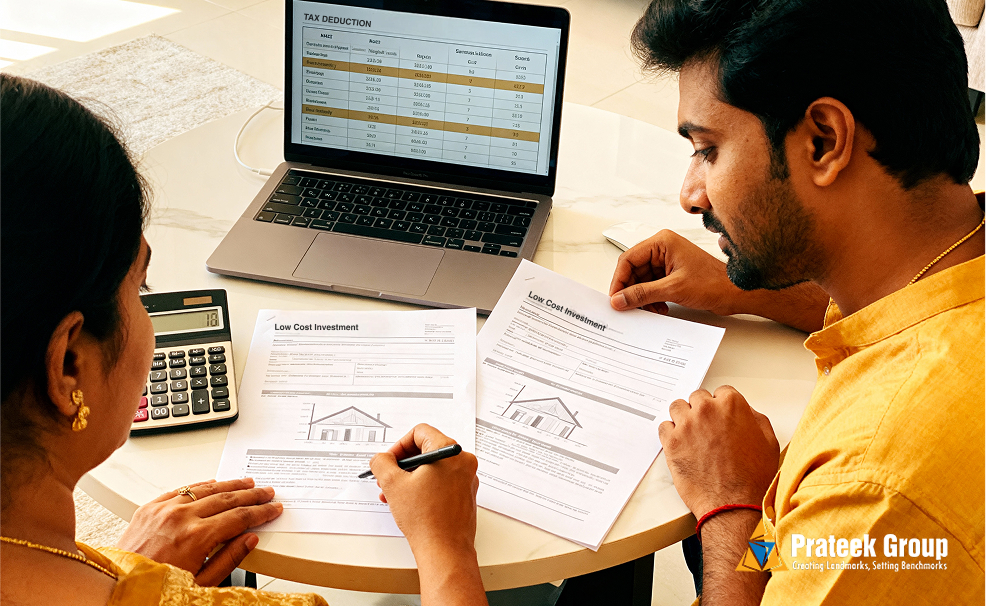
A home loan can reduce yearly tax outflow by nearly Rs 2 lakh or even more, especially when planning is done with care. As a result, residential real estate continues to stand out as one of the most tax-friendly investment options for Indian buyers in 2026. Moreover, with clear awareness of the available rules, the savings can grow even further. For instance, by using Section 24(b) for interest deductions and Section 80C for principal repayment, the total relief can reach up to Rs 3.5 lakh each year. However, many homeowners still miss a few key advantages hidden within these sections. Section 24(b) offers up to Rs 2 lakh on interest paid, while Section 80C allows up to Rs 1.5 lakh on principal repayment. In addition, first-time buyers gain extra support through Sections 80EE and 80EEA, which together offer even higher tax relief.
This guide walks through the major home loan tax benefits available in 2026. Furthermore, it explains how each section works so the chosen property leads to better savings and long-term returns. In short, whether the goal is a first home or an additional investment, these rules can lower the tax load and support steady financial planning.
Many real estate investors miss valuable deductions without realizing the impact on returns. However, once these hidden benefits are understood, the overall savings improve noticeably and help strengthen long-term gains.
Interest paid before the completion of an under-construction home carries useful tax relief, yet it often goes unnoticed. Pre-construction interest starts from the loan sanction date and continues until the financial year just before construction is completed. The total pre-construction interest can be claimed in five equal annual installments after possession. For instance, ₹5 lakh of pre-construction interest allows a deduction of ₹1 lakh every year for five years under Section 24(b).
Key points to remember:
Stamp duty and registration fees also qualify for relief under Section 80C, although this advantage is often ignored. Up to ₹1.5 lakh of these payments can be claimed if the home is residential and the expenses fall in the same financial year.
Important conditions:
Additional note for joint owners:
The 30% standard deduction on rental income remains one of the easiest benefits to claim, yet many do not make use of it. After reducing municipal taxes from gross rent, the remaining value qualifies for a flat 30% deduction under Section 24(a).
Extra deductions allowed:
By applying these often-missed deductions, investors can support stronger cash flow, reduce yearly tax load, and build a more efficient investment plan. Good documentation and timely claims make the entire process smooth and effective.
Home loan EMIs can ease the tax load while helping you build a valuable asset. However, to make full use of the benefits, it is important to understand how different parts of the Income Tax Act work together. With the right approach, the deductions rise sharply and support your financial planning year after year.
The interest part of an EMI offers major tax relief. For a self-occupied home, the deduction goes up to ₹2 lakh per year, no matter how many self-occupied units are owned. The combined limit stays fixed at ₹2 lakh. Meanwhile, rented homes offer a stronger advantage since the entire interest amount can be claimed without any upper cap. Even so, the total loss from house property that can be set off against other income is restricted to ₹2 lakh per financial year.
This deduction works on an accrual basis, not a payment basis. In other words, the interest can be claimed in the year it becomes due, even if the payment is delayed due to a moratorium.
A key rule to remember:
Section 80C covers the principal portion of the EMI and allows a deduction of up to ₹1.5 lakh each year. Unlike interest deductions, this benefit follows a payment basis, meaning the actual payment must be made during the year.
To claim this deduction, a few conditions apply:
In addition, one-time stamp duty and registration charges can also be claimed under Section 80C in the same financial year, as long as they fit within the ₹1.5 lakh limit.
When Section 24(b) and Section 80C are planned together, the total deduction can reach ₹3.5 lakh annually, ₹2 lakh for interest and ₹1.5 lakh for principal repayment. This combination helps build long-term savings and improves overall returns.
Joint home loans add another layer of advantage. When co-owners share both ownership and EMI contributions, each person can claim benefits individually.
With this setup, the benefits can effectively double:
Another helpful strategy involves aligning other Section 80C investments such as PPF, ELSS, or insurance premiums. Since the ₹1.5 lakh limit covers everything under Section 80C, planning ahead helps ensure the home loan principal fits neatly within the overall cap.
These deductions apply under the old tax regime. Under the new regime, many of the benefits, especially Section 80C, are not available. Therefore, it is important to compare total tax outflow under both regimes before making a selection. The right choice can bring meaningful savings while keeping compliance simple.

The special first-time buyer tax benefits under Sections 80EE and 80EEA are not available for newly sanctioned loans. They only apply if your loan was sanctioned during their eligible periods in earlier financial years. You can still claim these if your ongoing loan meets the older criteria.
Section 80EE offered an additional deduction of ₹50,000 on home loan interest for first-time buyers whose loans were sanctioned between Apr 1, 2016 and Mar 31, 2017. If your loan falls in this window and is still active, you can continue claiming this deduction until the loan is repaid. However, it applies only when the buyer meets the required conditions:
In addition, the loan must come from a recognized financial institution such as a bank, housing finance company, or NBFC.
Section 80EEA offers even greater support with an additional deduction of up to ₹1.5 lakh per year on home loan interest for affordable housing purchases. This allows first-time buyers to unlock better savings when the home falls under the defined price and size limits.
To qualify, these conditions must be met:
Carpet area restrictions also apply. In metro cities such as Mumbai, Delhi NCR, Bengaluru, Chennai, Hyderabad, and Kolkata, the area must not exceed 60 sq. m. (645 sq. ft.). In other cities, the limit is 90 sq. m. (968 sq. ft.). One important point: You cannot claim Section 80EE and Section 80EEA together. If eligible for both, only one can be chosen.
Homeowners whose older loans qualify under Section 80EE or 80EEA can combine these with standard deductions to increase yearly tax savings. For example, if a buyer qualifies for Section 80EEA, these deductions may be claimed:
When eligible, this combination may allow total deductions of up to ₹5 lakh per year for qualifying older home loans.
Joint ownership can enhance these savings even further. When a home is jointly purchased and both co-borrowers pay EMIs, each person may claim deductions separately. This works especially well for high-value markets. For instance, a couple buying a ₹1 crore home in Thane may save over ₹1 lakh annually by using joint deductions. These benefits are available only under the old tax regime, so homeowners with eligible loans generally gain more by continuing under the old regime.
Rental income and property sales come with specific tax rules, yet they also offer strong opportunities to improve total returns. When these provisions are understood clearly, investors can plan better and make steady financial gains throughout the ownership cycle.
Rental homes do more than generate monthly cash flow. They also bring valuable tax relief through several deductions offered under the Income Tax Act. The interest paid on a home loan for a rented property is fully deductible without any upper cap. This creates a clear advantage when compared with self-occupied homes, where the deduction is restricted to ₹2 lakh.
Moreover, deductions are allowed for periods when the home stayed vacant and rent could not be collected. Pre-construction interest also qualifies and is claimed in five equal yearly parts starting from the year the building is completed.
Municipal taxes paid during the financial year can be reduced from gross rental income, as long as the payment was made by the owner and not the tenant. Only taxes actually paid, not pending amounts, are eligible. After removing municipal taxes, a 30% standard deduction applies to the remaining value. This deduction covers routine maintenance and repairs, no matter how much was actually spent. For example, a home earning ₹5 lakh annually with ₹50,000 in municipal taxes qualifies for a standard deduction of ₹1.35 lakh.
When a property held for more than 24 months is sold, Section 54 offers relief from long-term capital gains tax. This exemption is available when the gains are reinvested in another residential home within the permitted timelines. The exempt amount is the lower of the actual capital gain or the amount invested in the new home. Budget 2023 has set a ceiling of ₹10 crore on this exemption. To claim the benefit, timing is essential. A new home must be purchased within 1 year before or 2 years after selling the original property. Construction, however, allows a window of 3 years. If the investment is not completed before the tax filing deadline, the gain must be placed in a Capital Gains Account Scheme at a public sector bank.
This exemption is limited to individuals and HUFs. Companies and firms cannot claim it. If the newly purchased home is sold within 3 years, the exemption is reversed and added back to taxable income.

Selecting the right tax regime is now a key decision for property owners, especially since the 2023 Budget made the new regime the default. This choice affects how much tax relief your home loan and property investments can offer, so understanding the differences is essential.
The new regime removes several major property-related deductions. Once you switch, the following benefits are no longer available:
This loss is significant because close to 60 lakh taxpayers used the house-property loss adjustment to reduce taxable income by nearly ₹78,000 crore in FY23.
The old regime works best for individuals with high home loan interest or multiple property deductions.
The old regime continues to work better for individuals with higher home loan interest or those claiming multiple property-related deductions. In markets like Mumbai and other high-value zones, joint owners often benefit even more because each co-borrower can claim:
These combined deductions can lead to substantial yearly savings, making the old regime the superior choice for many property owners.
A simple comparison helps in making the right choice. Start by calculating taxable income under the old regime with all property-related deductions applied. Then compare it with the liability under the new regime’s lower tax rates.
Key rules to remember:
Real estate investment continues to provide strong tax relief for property owners in 2026. However, to benefit fully, clear planning and a proper understanding of each provision are essential. This guide has outlined the deductions that can lower your tax load while helping you build long-term assets. Using Section 24(b) and Section 80C correctly allows annual deductions of up to ₹3.5 lakh through interest and principal repayment. First-time buyers receive even more support under Sections 80EE and 80EEA, which can raise total deductions to ₹5 lakh each year. Many important benefits often go unnoticed. These include pre-construction interest claims, stamp duty deductions, and the 30% standard deduction on rental income. Missing these options can lead to unnecessary tax payments every year.
The choice between the old and new tax regimes also plays a major role. While the new regime offers simpler filing and lower base rates, it removes most property-related deductions. For individuals with larger home loans, the old regime generally provides stronger relief. For rental property owners, unlimited interest deductions and the standard 30% reduction on net annual value can support better returns. At the same time, Section 54 helps protect gains when upgrading or shifting to another home.
In real estate, smart tax planning should be viewed as part of the investment itself. The difference between basic filing and thoughtful planning can save lakhs over the full ownership period. Before making any key decisions, seeking guidance from a tax expert familiar with real estate rules can help ensure every benefit is used correctly. Property investment supports both asset growth and tax savings when handled with care. These provisions are designed to encourage homeownership and long-term stability, so make sure each one is used to strengthen your overall financial outcome.